How I Finally Lowered My Cortisol Levels & Lost 23 lbs of Stubborn Belly Fat
The hidden hormone that was sabotaging my body and the simple drink mix that changed everything in 60 days.

By Sarah Mitchell
Health & Wellness Editor
Updated November 2025
Let me tell you about the moment I knew something was seriously wrong.
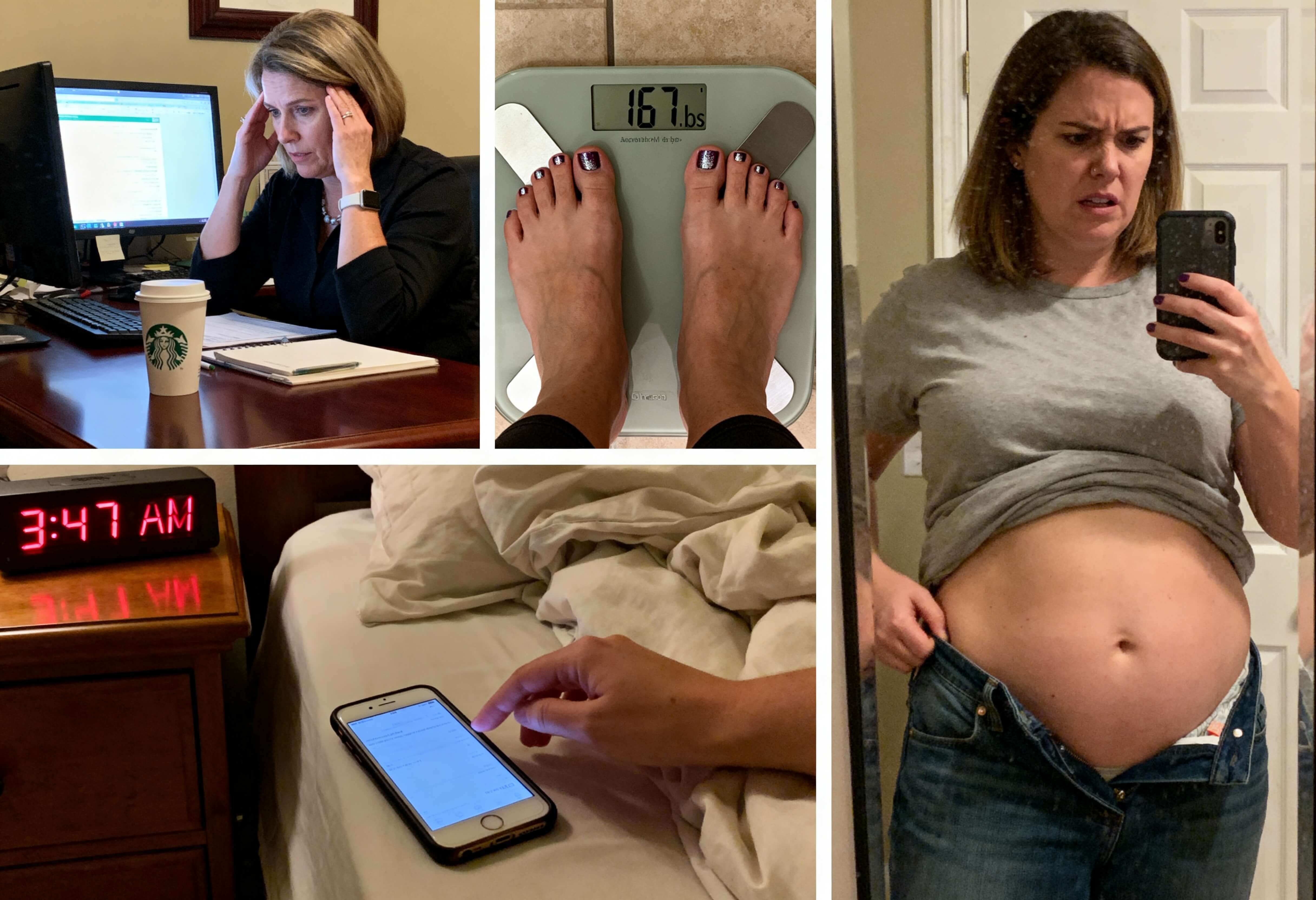
It was 6:47 AM. I was standing in front of my bathroom mirror, staring at a face I barely recognized. Dark circles. Puffy cheeks. That stubborn belly that appeared out of nowhere – the one that wouldn't budge no matter how many salads I forced down or how many times I dragged myself to the gym.
I was only 38. But I felt 58.
My brain felt like it was wrapped in cotton. I'd walk into rooms and forget why I was there. Names of people I'd known for years would just… vanish from my memory. At work, I was making mistakes I never would have made two years ago.
And the exhaustion? It was bone-deep. The kind of tired that eight hours of sleep couldn't fix. Coffee didn't help anymore. Energy drinks made me jittery but not alert.
I thought maybe I was depressed. Maybe it was perimenopause. Maybe I was just getting old.
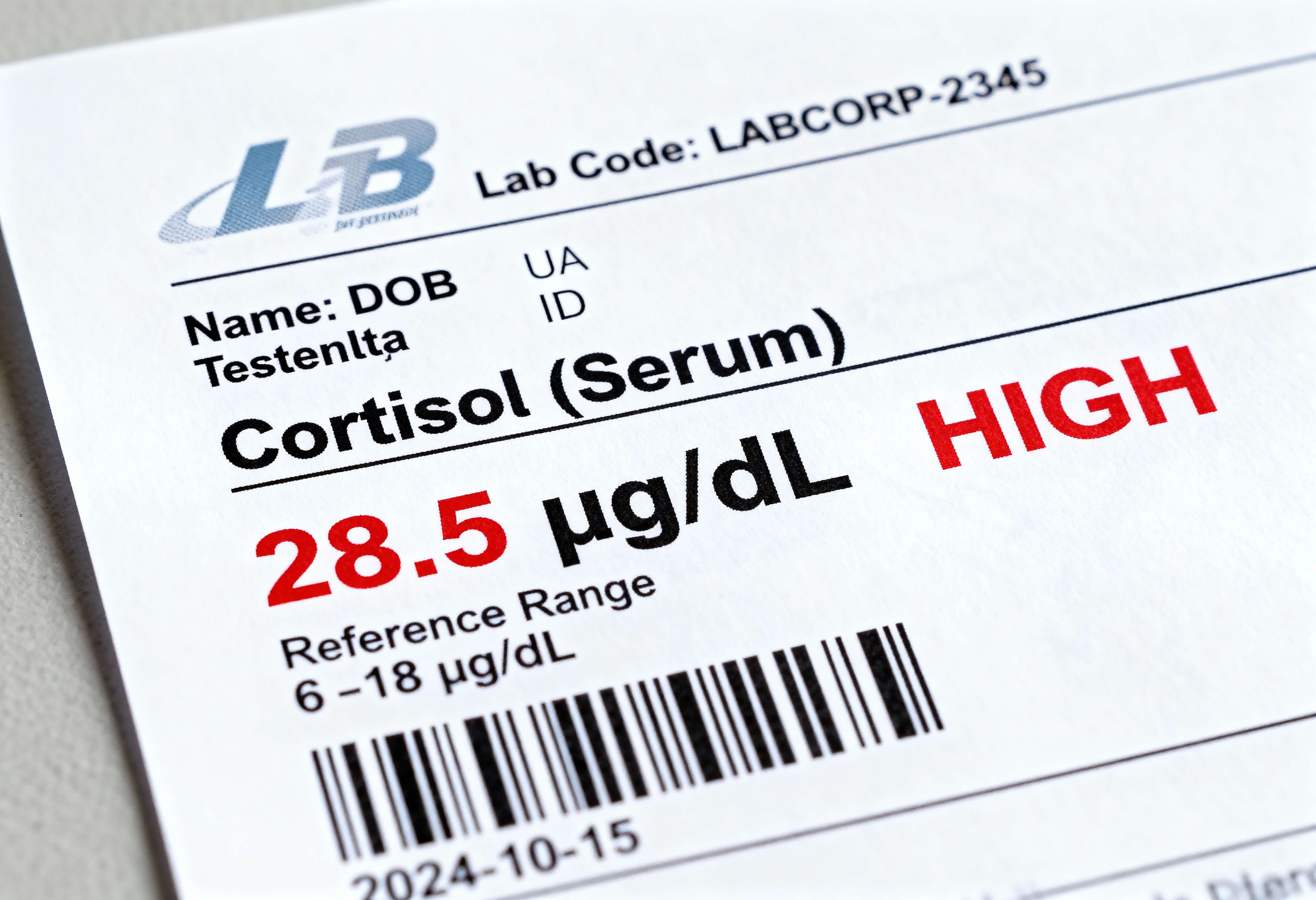
But then I got my blood work back.
And one number changed everything.
"Your Cortisol Levels Are Through the Roof"
Those were the exact words my doctor used.
Cortisol. The "stress hormone." I'd heard of it before, but I thought it was just something that spiked when you were anxious and then went back to normal.
Wrong.
What my doctor explained next felt like someone finally turning on the lights in a dark room I'd been stumbling around in for years.
"When cortisol stays elevated day after day," she said, "it wreaks havoc on your entire system. Your metabolism slows down. Your body holds onto fat – especially around your midsection. Your brain can't focus. Your sleep quality tanks even if you're in bed for 8 hours. And you feel exhausted because your adrenal glands are working overtime, every single day."
She pulled up a diagram on her computer. It showed what happens when cortisol – which is supposed to spike briefly during stress and then drop back down – stays elevated chronically.
It was like a domino effect of destruction:
High cortisol signals your body to store fat (especially visceral belly fat)
It increases cravings for sugar and carbs (which is why you can't stop stress-eating)
It disrupts your sleep cycle (even when you're physically exhausted)
It impairs memory and cognitive function (hello, brain fog)
It weakens your immune system (which is why you keep getting sick)
I sat there in stunned silence.
Every. Single. Symptom. That was me. All of it.
The High Cortisol Epidemic No One Is Talking About
Here's what shocked me: I'm not alone. Not even close.
The American Psychological Association reports that 77% of Americans regularly experience physical symptoms caused by stress. And that chronic stress is directly linked to elevated cortisol.
But here's what they don't tell you in the headlines: your body wasn't designed for modern life.
Our cortisol response evolved for short-term threats. A predator. A dangerous situation. Your cortisol spikes, you deal with the threat, and then it drops back down.
But today? The "threats" never stop. Work deadlines. Financial pressure. News alerts. Social media. Family obligations. That constant ping of notifications on your phone.
Your body can't tell the difference between a lion chasing you and an angry email from your boss.
It releases cortisol either way.
And when that cortisol never comes back down… that's when the problems start.
The result? A generation of people who are exhausted, overweight, anxious, and foggy-brained – and have no idea WHY.

How to Reduce Cortisol: Everything I Tried That Didn't Work
After that doctor's appointment, I became obsessed with lowering my cortisol.
I tried meditation apps. I bought expensive adaptogenic mushroom powders. I forced myself to do yoga even though I hated it. I tried "cortisol-lowering" teas that tasted like lawn clippings.
Some things helped a little. Most didn't do anything at all.
The problem? Most "stress relief" products are based on outdated thinking. They target relaxation – which is fine – but they don't actually address the biochemical cascade that's causing your cortisol to stay elevated.
And the supplements that DO work? Most of them are underdosed. They put just enough of an ingredient on the label to make the marketing claims, but not enough to actually move the needle.
I was about to give up. Accept that this was just my life now.
Then my sister sent me something.
The #1 Supplement to Lower Cortisol
(According to My Nurse Practitioner Sister)
My sister Rachel is a nurse practitioner. She's also annoyingly healthy – one of those people who actually enjoys going to bed at 9 PM and waking up at 5 AM to exercise.
So when she texted me about a drink mix she'd been recommending to her stressed-out patients, I figured it was worth a shot.
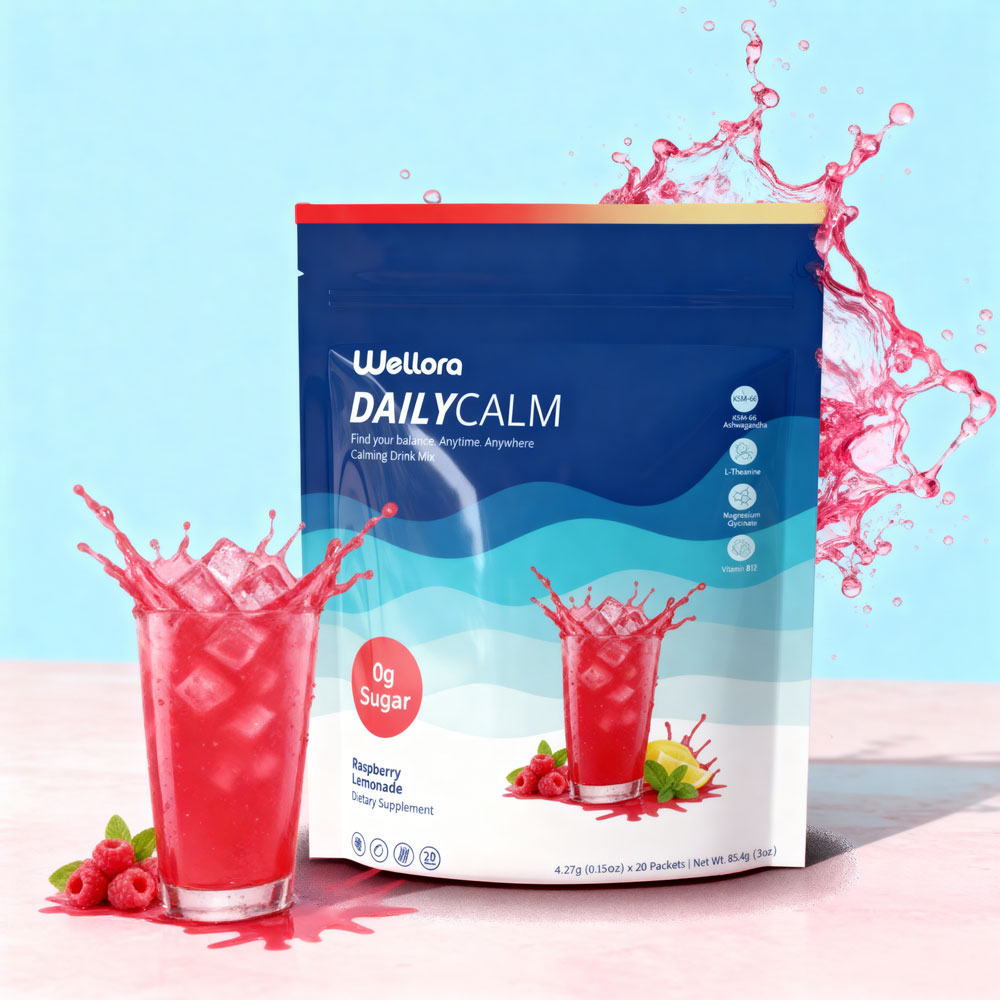
It was called Wellora SuperCalm.
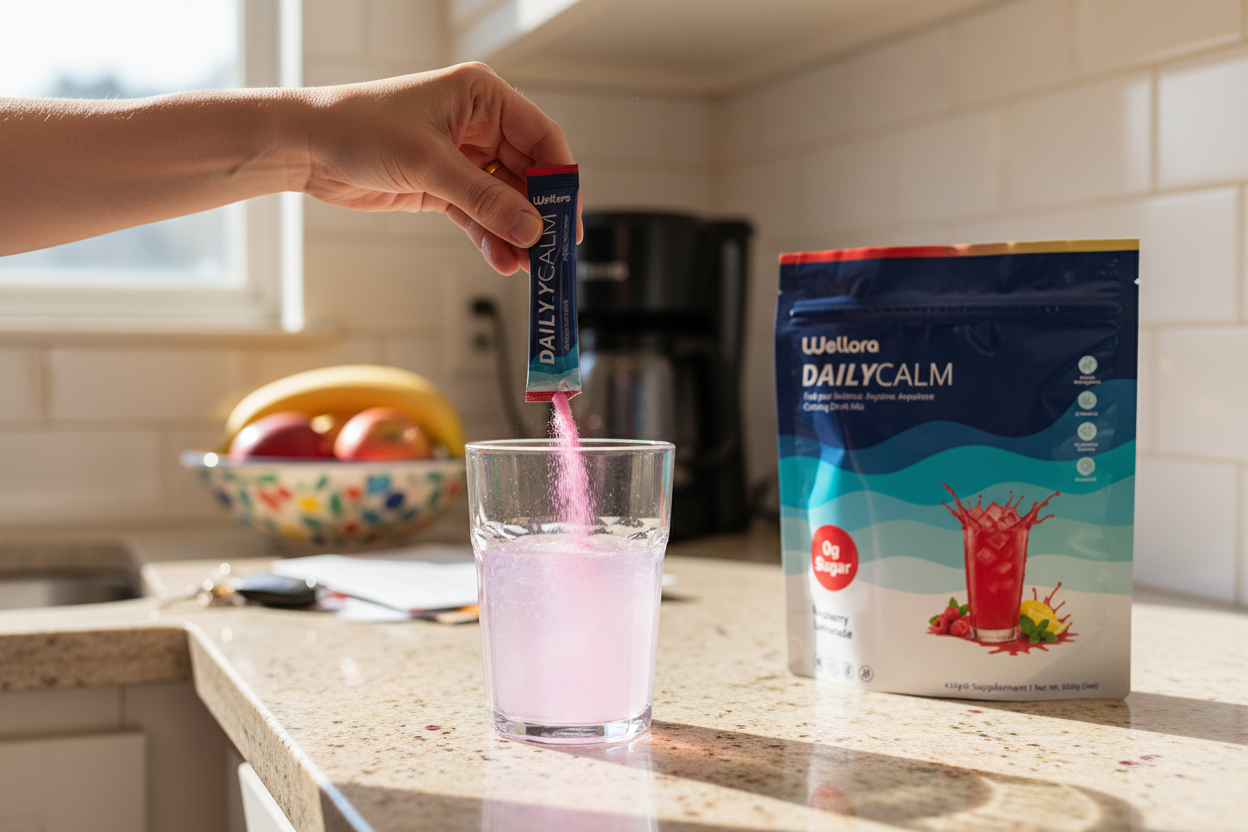
I'll be honest – I was skeptical. Another supplement? Really?
But when I looked at the ingredient label, something caught my attention. These weren't the typical underdosed ingredients I'd seen in other products.
The formula contained clinical doses of ingredients that had been studied specifically for cortisol reduction:
If you aren’t taking Alpha BRAIN®, you are operating at a disadvantage.
Find out why.
Ashwagandha Root Extract (100mg)
This ancient adaptogen has been used for thousands of years. But what got my attention was the modern research.
A 2019 randomized, double-blind, placebo-controlled study published in Medicine found that ashwagandha supplementation was associated with significantly greater reductions in morning cortisol levels compared to placebo. Participants also showed significant reductions in anxiety as measured by clinical scales.
Another study showed that participants taking ashwagandha experienced a 27.9% reduction in serum cortisol levels after just 60 days – compared to only 7.9% in the placebo group.
L-Theanine (200mg)
This amino acid, naturally found in green tea, is fascinating.
A randomized, triple-blind, placebo-controlled study found that a single 200mg dose of L-theanine had significant positive effects on both brainwave patterns and salivary cortisol in response to stress. Participants showed increased alpha brain wave activity – the same brain state associated with relaxation and meditation.
What makes L-theanine special is that it promotes calm WITHOUT causing drowsiness. Unlike anxiety medications that make you foggy, L-theanine helps you feel relaxed but alert. That's why it's often called "calm focus."
Magnesium Glycinate (200mg)
Here's a scary statistic: studies suggest that a significant portion of Americans don't get enough magnesium. And magnesium deficiency is directly linked to increased stress and anxiety.
A systematic review found that 5 out of 7 anxiety studies reported that magnesium lowered self-reported anxiety levels. Another study found significant improvements in sleep quality, deep sleep duration, and sleep efficiency with magnesium supplementation.
The glycinate form is important – it's one of the most bioavailable forms of magnesium, meaning your body can actually absorb and use it.
Vitamin D3 (1,000 IU)
Vitamin D isn't just for bones. Research has found vitamin D receptors throughout the brain, including in areas involved in mood regulation.
A clinical study found that vitamin D supplementation significantly improved anxiety symptoms in patients with vitamin D deficiency. The researchers noted a clear relationship between low vitamin D levels and high levels of anxiety.
Given that many people spend most of their time indoors, vitamin D deficiency is extremely common – and may be contributing to your stress and mood issues without you knowing it.
My 60-Day Cortisol Reduction Results
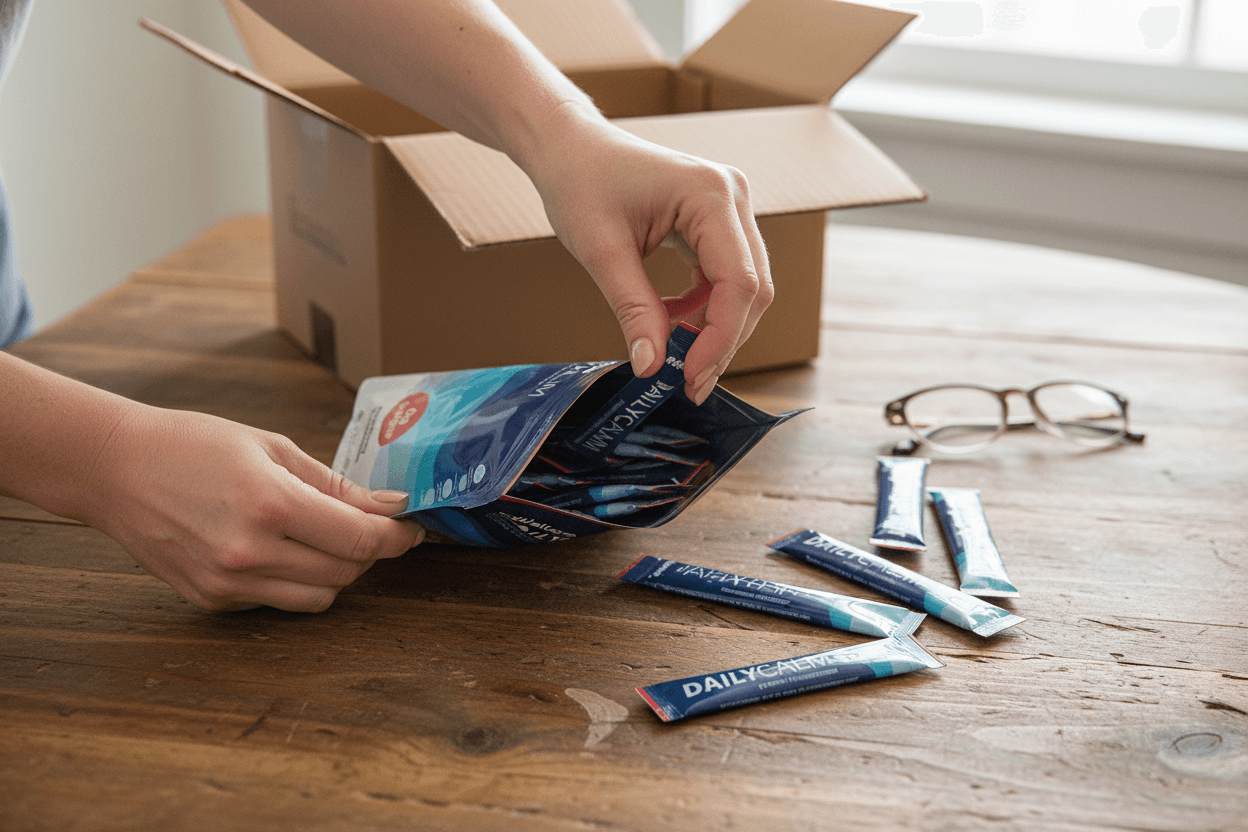
I ordered my first pouch of Wellora SuperCalm and started taking it every afternoon around 2 PM – when my energy and focus usually crashed the hardest.
It comes in these individual packets that you mix with water. Tastes like raspberry lemonade – actually pretty good, which was a nice change from the bitter adaptogenic concoctions I'd been forcing down.
Day 1-3
Honestly? Not much. Maybe slightly calmer, but I wasn't sure if it was placebo effect.
Day 7
I noticed something. That afternoon slump wasn't as brutal. I didn't feel the desperate need for my third coffee. I got through my afternoon meetings without wanting to crawl under my desk.
Day 14
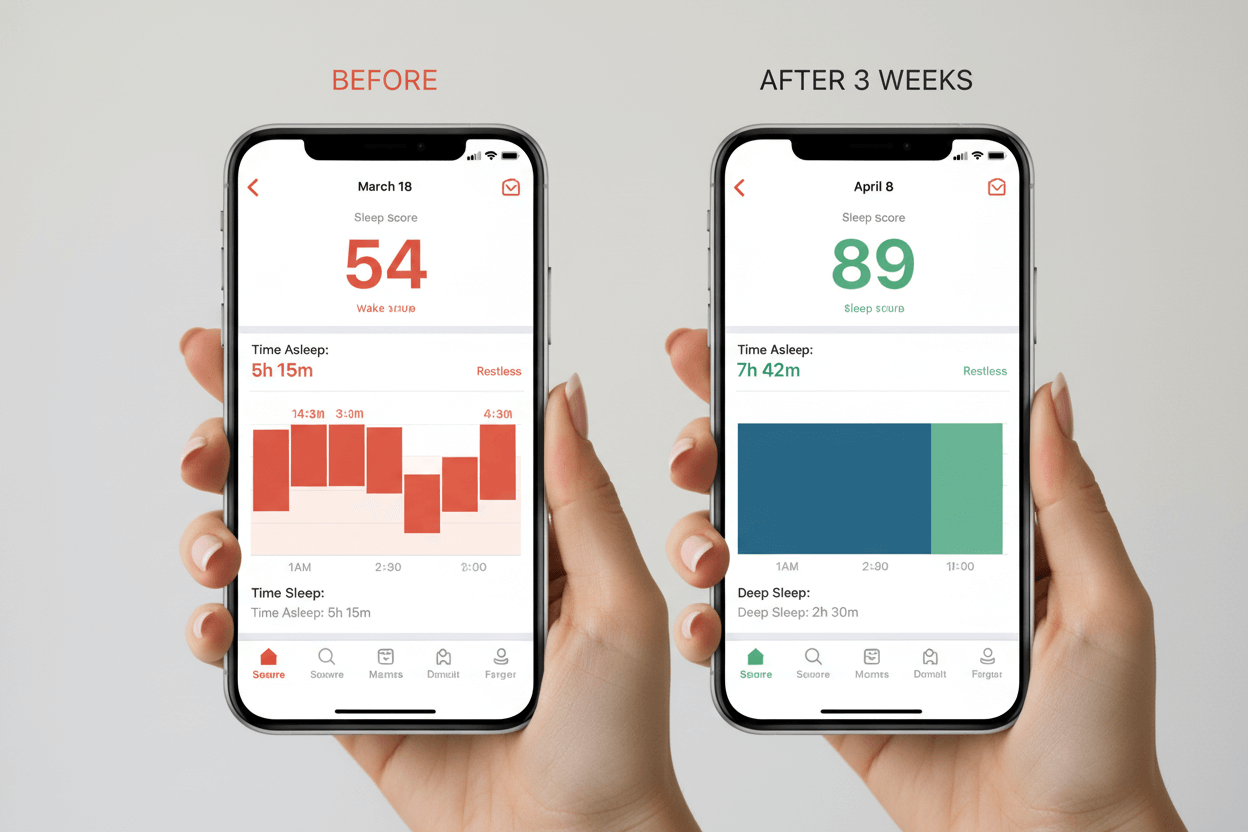
This is when things got interesting. I woke up one morning and realized I'd slept through the night. No 3 AM wake-up. No lying there with racing thoughts. I just… slept. I couldn't remember the last time that happened.
Day 21
The brain fog started lifting. I was in a meeting and I found myself actually following the conversation, contributing ideas, remembering everyone's names. My colleague asked if I'd started drinking better coffee. I laughed.
Day 30
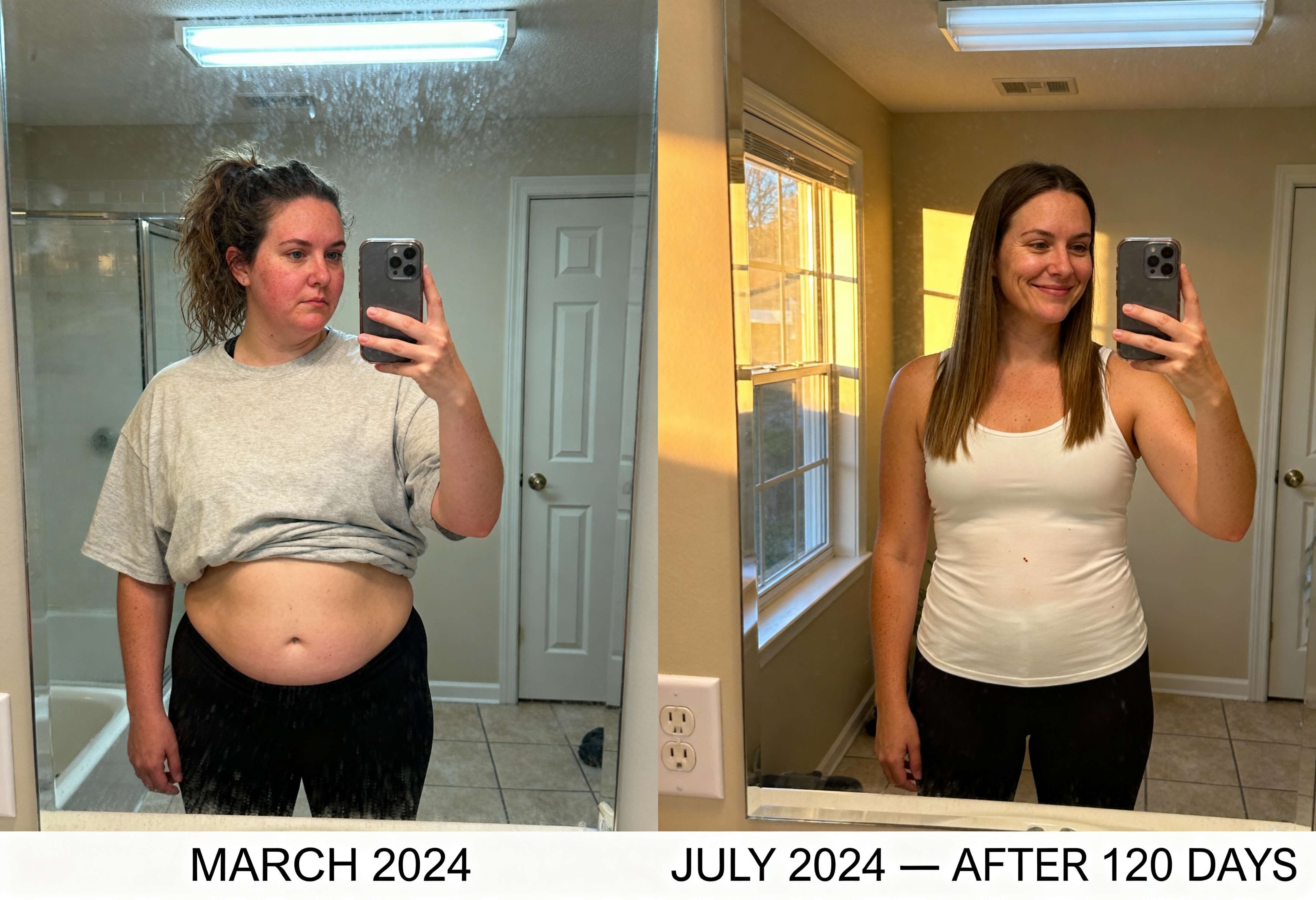
I stepped on the scale. Down 4 pounds. Without changing my diet or exercise. My pants fit better. That stubborn belly – still there, but noticeably softer, less bloated.
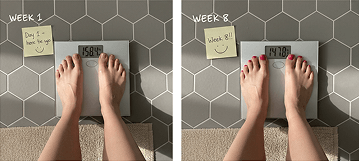
Day 60
I went back to my doctor for follow-up bloodwork. My cortisol levels had dropped significantly. Still not perfect, but moving in the right direction. She was genuinely surprised.
"Whatever you're doing," she said, "keep doing it."
Real People Who Lowered Their Cortisol Levels
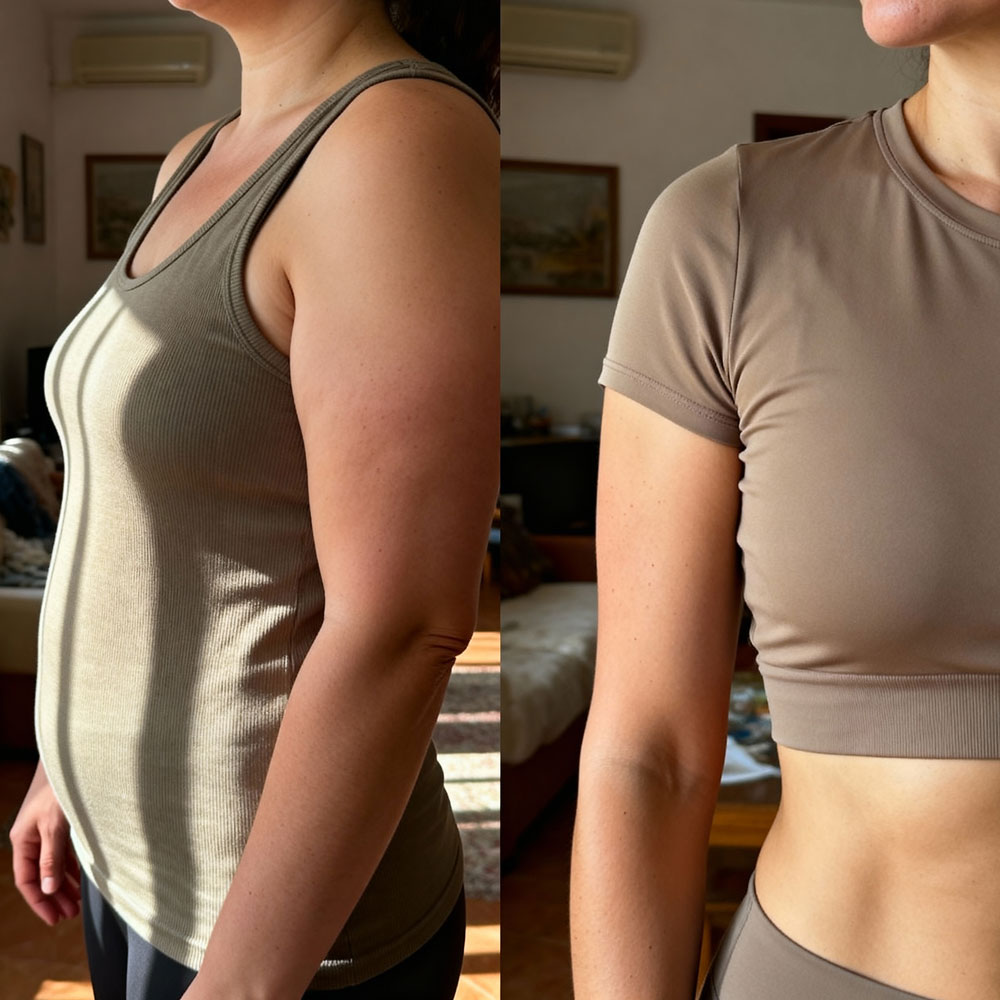
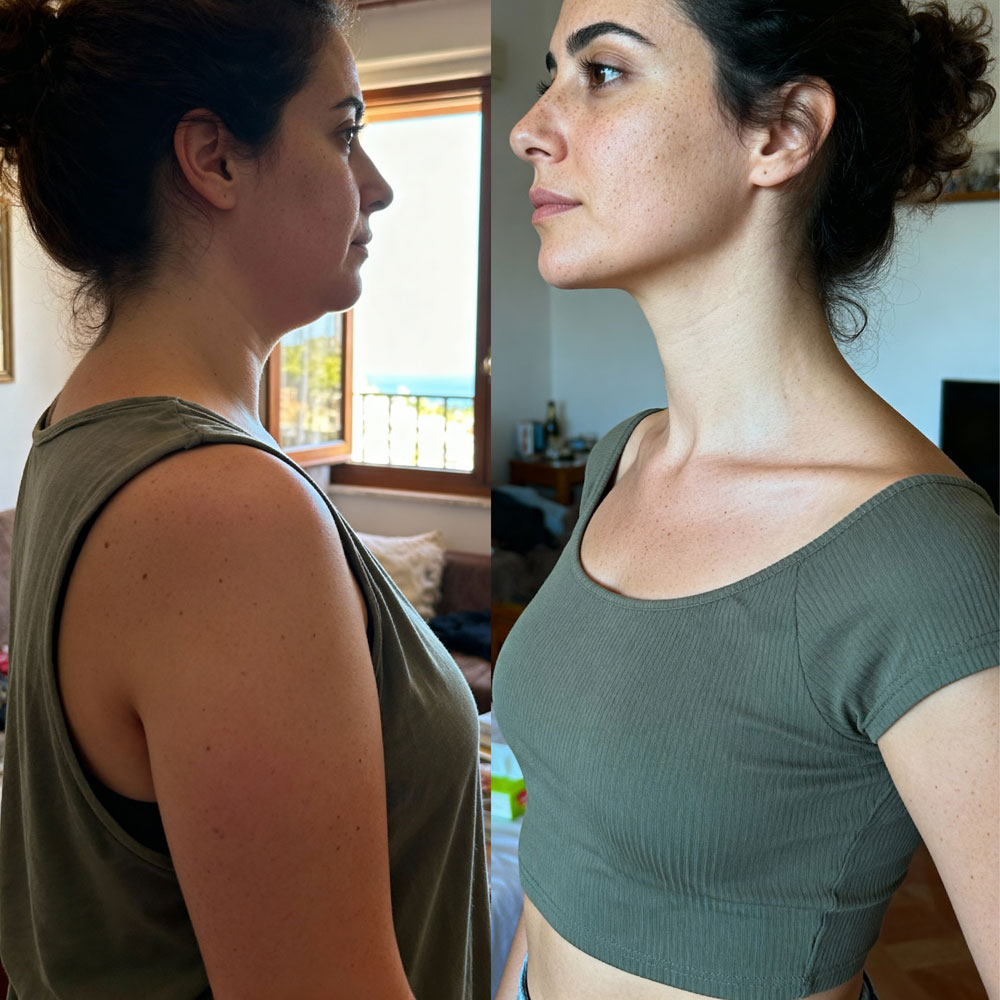
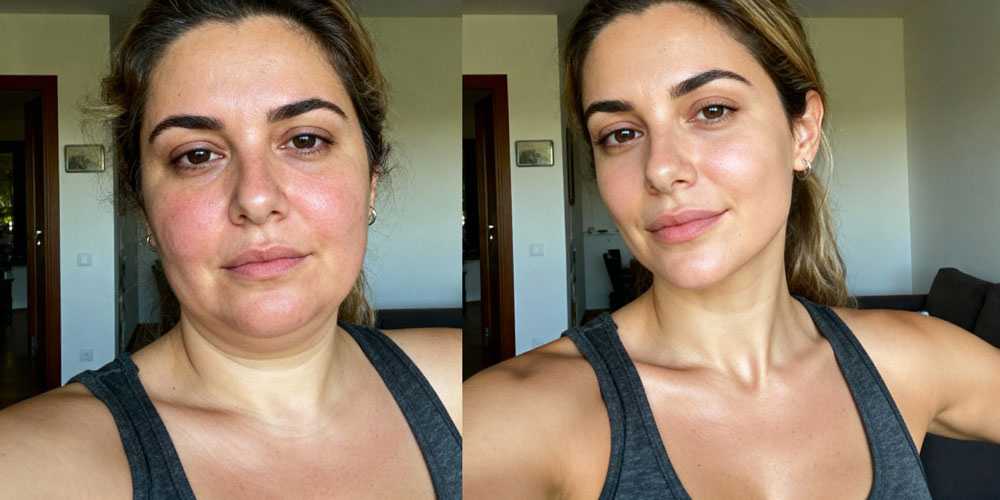
After sharing my experience with friends (and getting a few of them to try it), I started seeing similar patterns.
"I was skeptical because I've tried everything. But after two weeks, my husband noticed before I did. He said I seemed less 'wound up.' I'm sleeping better than I have in years."
- Jennifer, 45, Marketing Executive
"I was stress-eating my way through every workday. The cravings just stopped. Not completely, but manageable. Down 8 pounds in six weeks without really trying."
- Marcus, 52, IT Manager
"I've been recommending this to patients for months. The ones who stick with it consistently report better sleep, less anxiety, and improved focus. It's become my go-to recommendation for stressed-out patients who don't want to go the pharmaceutical route."
- Rachel, Nurse Practitioner
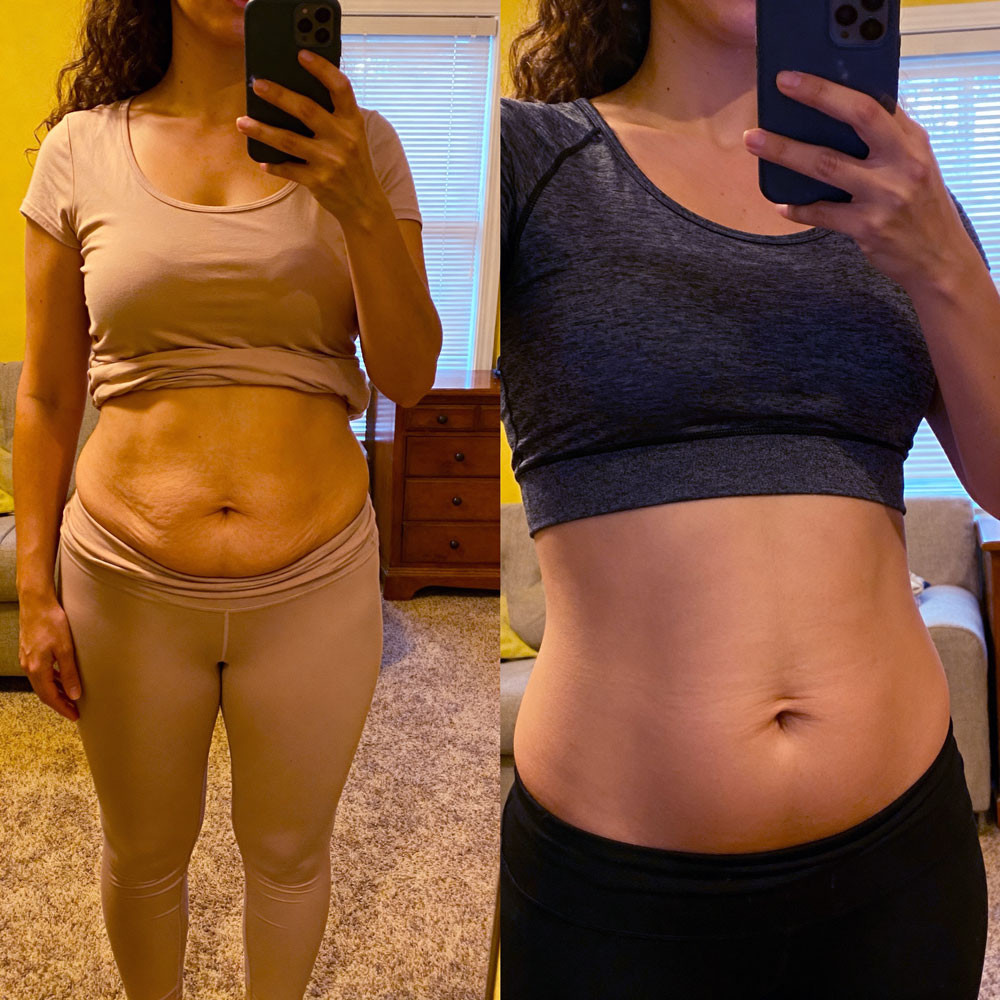
How to Lower Cortisol Levels: The Hard Truth
Look, I'm not going to lie to you. This isn't an overnight fix.
The research shows results build over 4-8 weeks. You need to take it consistently. And no supplement will fix a life that's completely out of control.
But here's what most people don't realize: Every single day your cortisol stays elevated, the damage compounds. More belly fat stored. More brain fog. Worse sleep. It's a downward spiral – and it gets harder to reverse the longer you wait.
⚠️ The longer you ignore high cortisol, the harder it becomes to fix.
Your body adapts to the dysfunction. What takes 6 weeks to fix now could take 6 months a year from now.
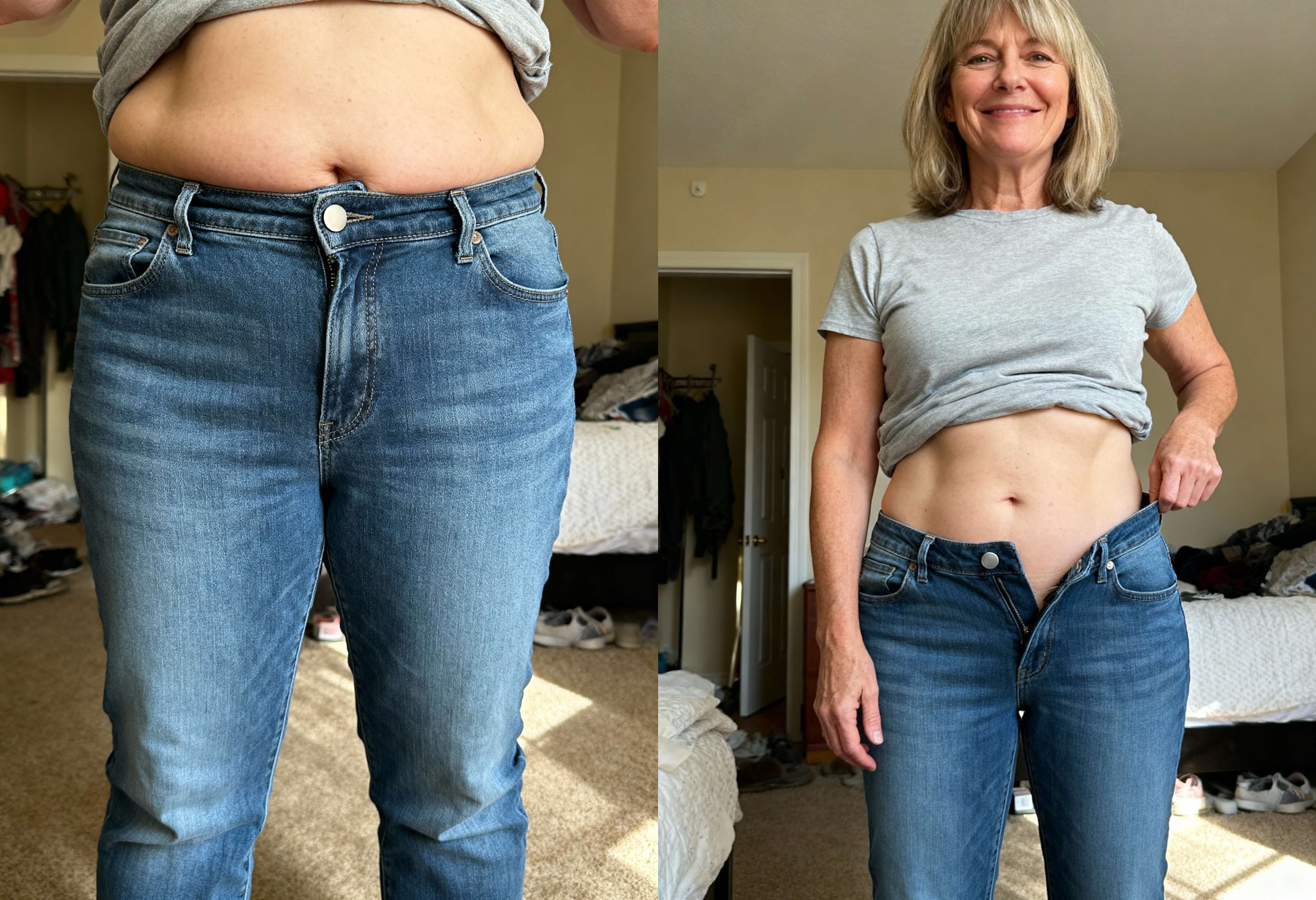
Your Cortisol Won't Fix Itself
You have two choices right now:
Option 1: Keep doing what you're doing. Stay exhausted. Keep gaining weight. Keep forgetting things. Hope it magically gets better. (Spoiler: it won't.)
Option 2: Take action today. Give your body the support it needs to break the cortisol cycle. See how you feel in 6 weeks.
Try Wellora SuperCalm Risk-Free →
Three months from now, you'll wish you started today.
DISCLAIMER: These statements have not been evaluated by the Food and Drug Administration. This product is not intended to diagnose, treat, cure, or prevent any disease. Individual results may vary. Consult your healthcare provider before starting any supplement regimen. The experiences shared are personal testimonials and may not be typical.
References
1. Lopresti AL, et al. (2019). Medicine. PMC6750292 | 2. Chandrasekhar K, et al. (2012). Indian J Psychol Med. PMC3573577 | 3. Evans M, et al. (2021). Neurology and Therapy. PMC8475422 | 4. Hidese S, et al. (2019). Nutrients. PMC6836118 | 5. Rawji A, et al. (2024). Cureus. PMC11136869 | 6. Zhu C, et al. (2020). Brain and Behavior. PMC7667301